


Balloon Sinuplasty in Lexington, SC

A Minimally Invasive Treatment Option for Selected Sinus Conditions
Persistent or recurring sinus symptoms such as nasal congestion, facial pressure, postnasal drainage, headaches, and difficulty breathing through the nose can have several possible causes. When symptoms continue despite appropriate medical management, some patients may be evaluated for additional treatment options.
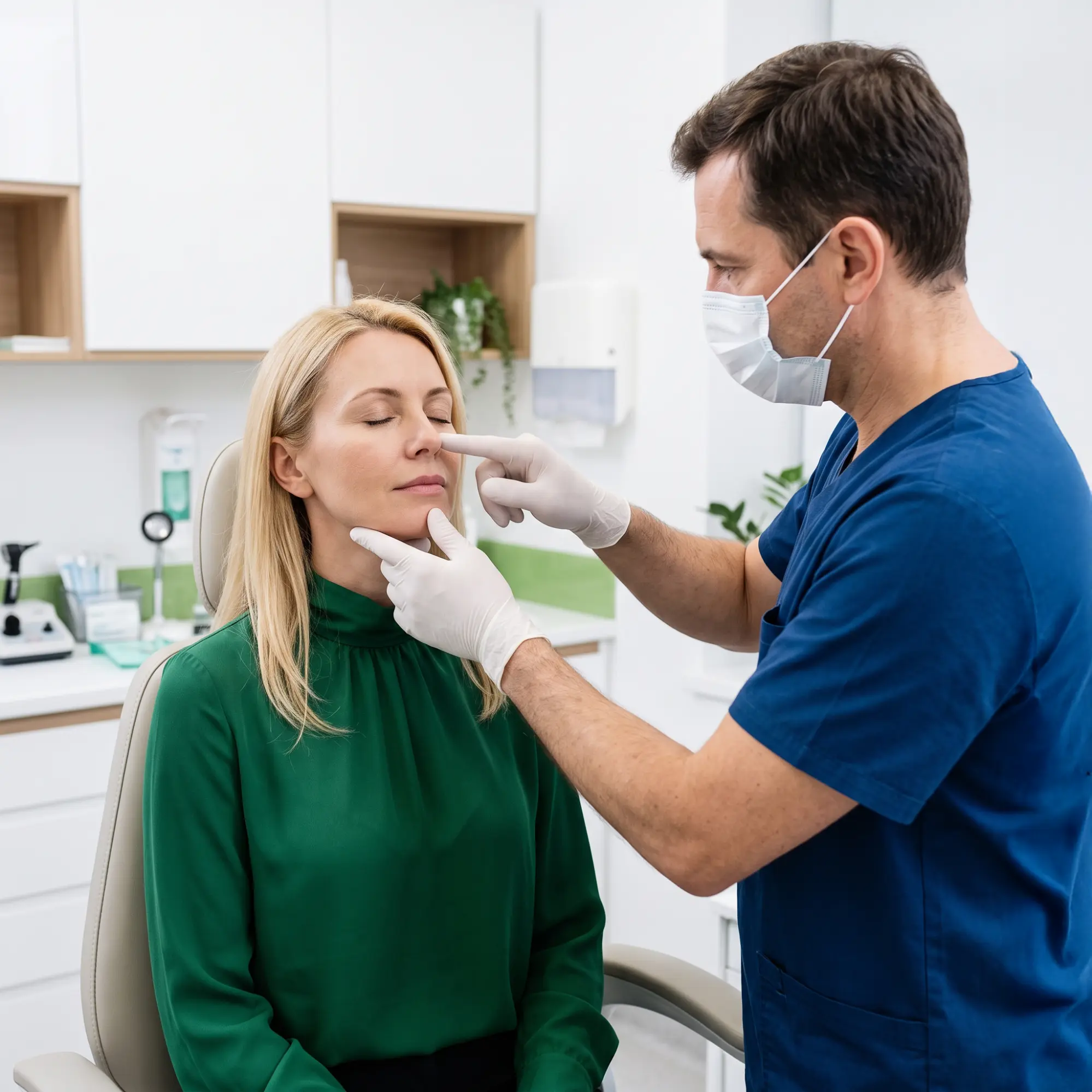
At Columbia Breathe Free, we provide comprehensive sinus evaluations for patients in Lexington and surrounding communities. Balloon sinuplasty may be considered for appropriately selected patients based on symptoms, medical history, previous treatment, sinus anatomy, imaging when clinically appropriate, and other clinical findings.
%201.svg)
What Is Balloon Sinuplasty?
Balloon sinuplasty is a sinus procedure that uses a small, flexible balloon catheter to dilate selected sinus drainage pathways.
During the procedure, the balloon is guided into the targeted sinus opening, gently inflated, and then removed.
Unlike some forms of endoscopic sinus surgery, balloon sinuplasty does not involve removing sinus tissue. It is not appropriate for every sinus condition or every patient, and individual outcomes vary.
What Is Chronic Sinusitis?
Chronic sinusitis, also called chronic rhinosinusitis, involves inflammation of the nose and sinuses lasting 12 weeks or longer.
Symptoms may include:
- Persistent nasal congestion
- Nasal drainage or postnasal drip
- Facial pressure or discomfort
- Reduced sense of smell
- Difficulty breathing through the nose
Because these symptoms can also occur with allergies and other nasal or sinus conditions, an evaluation is important when symptoms persist or repeatedly return.
Signs You May Need a Sinus Evaluation
Symptoms that may occur with chronic or recurring sinus conditions include:
- Persistent nasal congestion
- Recurring sinus infections
- Postnasal drip
- Facial pressure or discomfort
- Thick nasal drainage
- Difficulty breathing through the nose
- Headache
- Ear pressure or fullness
- Upper tooth or jaw discomfort that may occur alongside sinus symptoms
- Reduced sense of smell
Having these symptoms does not automatically mean that balloon sinuplasty is appropriate.
An evaluation can help determine what may be contributing to your symptoms and whether medical management, allergy care, balloon sinuplasty, another procedure, or another treatment approach may be appropriate.
Do I Have Allergies or a Sinus Infection?
Allergies and sinus infections can share similar symptoms, so it may be difficult to distinguish one from the other based on symptoms alone.
Allergies are commonly associated with sneezing, itching, watery eyes, and clear nasal drainage. Sinus infections may involve nasal congestion, facial pressure or discomfort, changes in nasal drainage, or symptoms that persist or worsen after a viral illness.
Some patients experience allergies and sinus problems at the same time. An evaluation can help assess which factors may be contributing.
What Can Contribute to Chronic Sinusitis?
Several factors may be associated with chronic or recurring sinus symptoms, including:
- Persistent nasal or sinus inflammation
- Allergies
- Nasal polyps
- A deviated septum or other structural concerns
- Recurrent respiratory infections
- Other conditions affecting the nose and sinuses
Some patients may have more than one contributing factor. Treatment recommendations should therefore be based on the individual patient’s clinical findings rather than symptoms alone.
Who May Be Considered for Balloon Sinuplasty?
Balloon sinuplasty may be considered for appropriately selected patients with certain chronic or recurring sinus conditions.
Factors considered during an evaluation may include:
- Duration and pattern of symptoms
- Medical history
- Previous treatments and response
- Examination findings
- Sinus anatomy
- Imaging findings, when imaging is clinically appropriate
- Other conditions that may contribute to symptoms
Persistent symptoms despite medication alone do not establish that a patient needs balloon sinuplasty. Patients with similar symptoms may receive different treatment recommendations based on their individual findings.
Are Balloon Sinuplasty Results Permanent or Temporary?
Balloon sinuplasty should not be considered a permanent treatment or cure.
The duration and degree of symptom improvement vary among patients and may be influenced by sinus anatomy, inflammation, allergies, the underlying sinus condition, and other individual factors.
Some patients may continue to need allergy treatment, medications, or other sinus management after the procedure.
When Is Balloon Sinuplasty Recommended?
Balloon sinuplasty may be considered for appropriately selected patients with certain sinus conditions when clinical findings support the procedure.
Candidacy is not determined by symptoms or medication failure alone. A provider may consider the patient’s medical history, symptoms, previous treatment, examination findings, sinus anatomy, imaging when appropriate, and other individual factors before determining whether balloon sinuplasty may be considered.
What Happens During Balloon Sinuplasty?

Am I a Candidate for Balloon Sinuplasty?
Candidacy cannot be determined from symptoms alone.
Balloon sinuplasty may be considered for appropriately selected patients based on factors such as symptoms, medical history, previous treatment, examination findings, sinus anatomy, imaging when clinically appropriate, and other individual health considerations.
An ENT evaluation can help determine whether balloon sinuplasty or another treatment approach may be appropriate.
When Should You See a Sinus Specialist?
Consider an ENT evaluation when sinus or nasal symptoms persist, repeatedly return, worsen, or do not improve with appropriate initial treatment.
Evaluation may also be appropriate for recurring sinus infections, persistent congestion, facial pressure or discomfort, ongoing drainage, reduced sense of smell, or difficulty breathing through the nose.
Balloon Sinuplasty FAQs
Why Choose Columbia Breathe Free?
Columbia Breathe Free evaluates patients with persistent or recurring sinus symptoms and offers medical and procedural treatment options based on individual clinical findings.
Depending on the patient’s needs, care may include:
- Evaluation of persistent and recurring sinus symptoms
- Nasal endoscopy or imaging when clinically appropriate
- Assessment of potential inflammatory, allergy-related, and structural contributing factors
- Balloon sinuplasty for appropriately selected patients
- Individualized treatment recommendations based on symptoms, anatomy, medical history, and other clinical findings
The goal of the evaluation is to better understand what may be contributing to a patient’s symptoms and determine which treatment options may be appropriate.

Learn More About Balloon Sinuplasty in Lexington, SC
Balloon sinuplasty is one possible treatment for selected sinus conditions. If chronic or recurring symptoms persist despite appropriate medical management, an evaluation can help determine whether balloon sinuplasty or another treatment approach may be appropriate.
Columbia Breathe Free provides sinus evaluations for patients in Lexington and surrounding Lexington County communities.